Our courses
View all courses →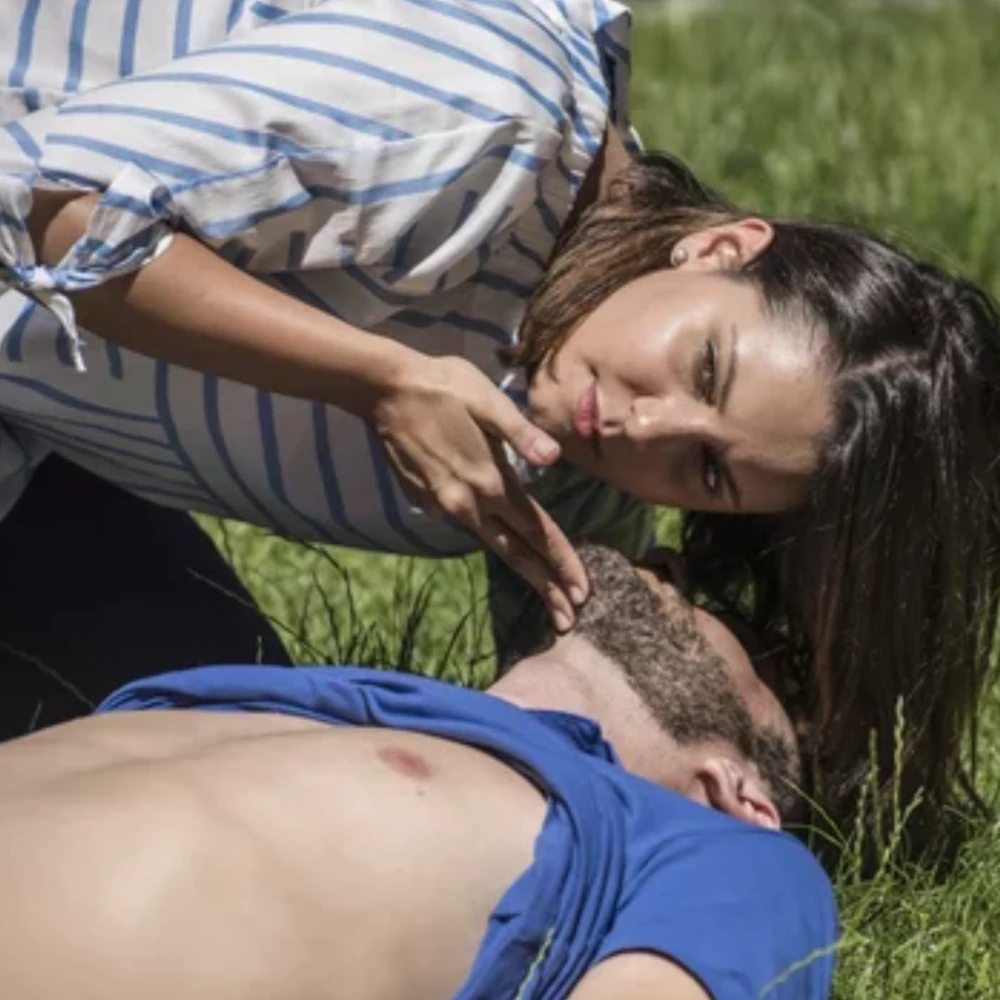 General Public
CPR/AED – General Public (4h)
This 4-hour training is designed to equip participants with the knowledge and confidence needed to intervene effectively during life-threatening emergencies. Focused on rapid and adapted responses, it teaches essential techniques for managing critical situations, significantly increasing survival chances. Aimed at the general public, this program emphasizes hands-on practice, realistic simulations, and teamwork, making it ideal for those who want to be prepared for emergencies at home, at work, or in public spaces.
 Workplace
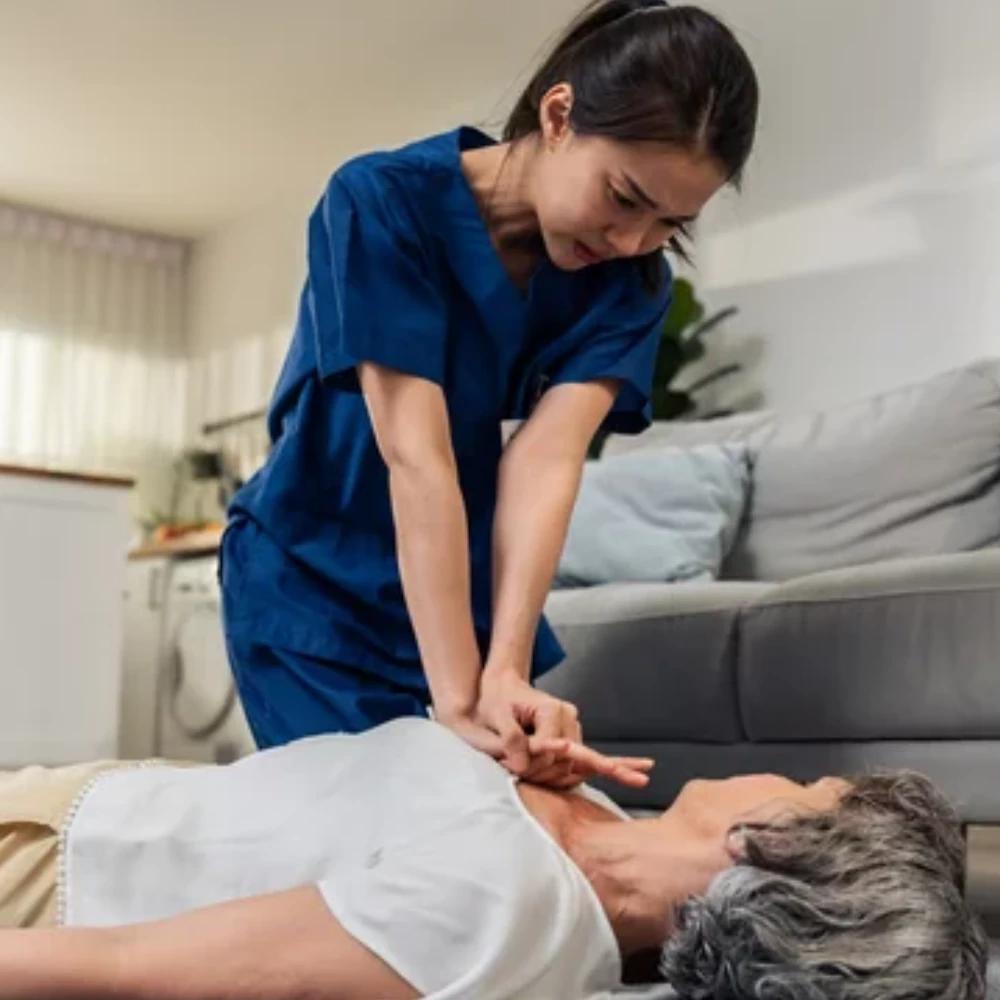
First Aid – Intermediate Level (16h) – CSA Z1210-17 Compliant
Upon successful completion of this 16-hour IN-PERSON intermediate-level first aid training, the candidate will receive a valid certification that meets the requirements of 'Intermediate First Aid Training' as defined in the CSA Z1210-17 standard.
 Early Childhood
First Aider – Early Childhood (8h)
This training is specially designed for educators in childcare settings. It enables them to acquire essential skills for responding to medical emergencies involving young children, particularly infants and preschool-aged children. The training covers the management of severe allergies, cardiopulmonary resuscitation, obstructed airway management and injuries, as well as emergency action plans. Available online, hybrid, or in-person, this training complies with the requirements of the Ministry of Family. It ensures the safety of children and the peace of mind of parents.
 General Public
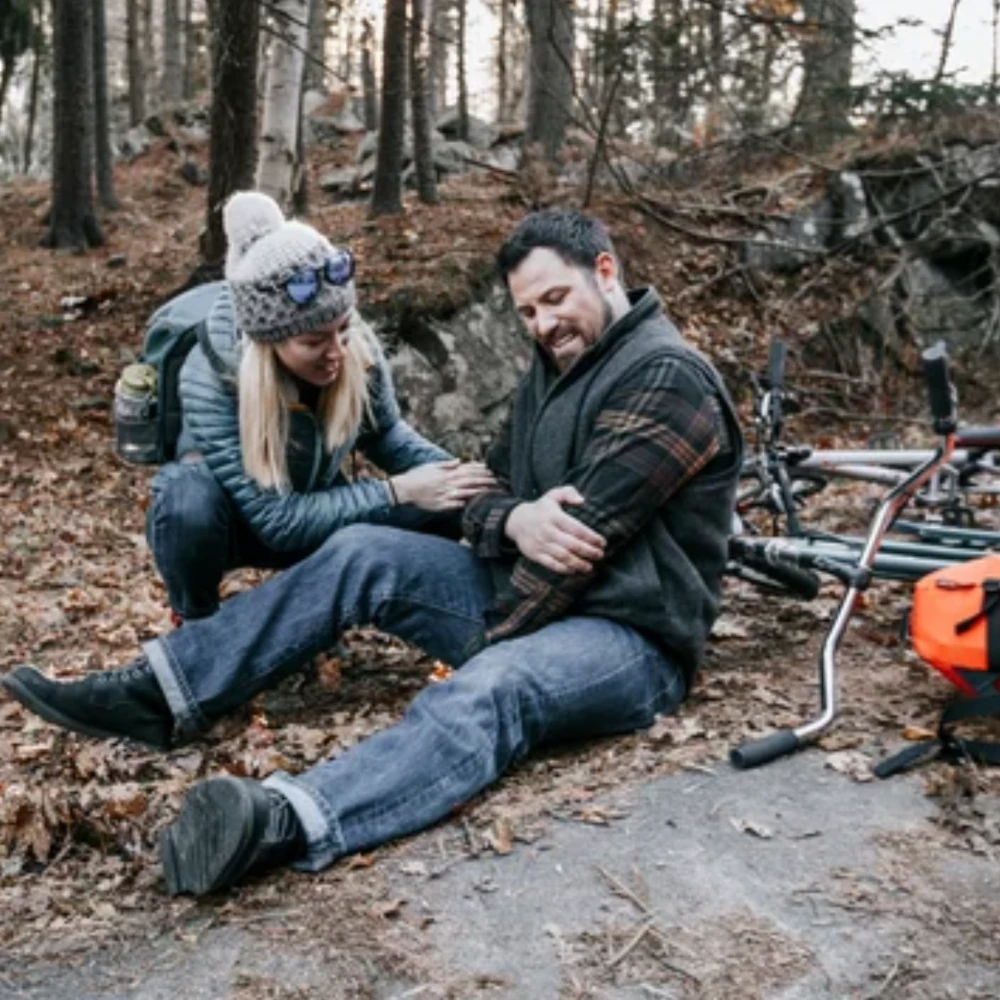
First Aider – General Public (8h)
This 8-hour training, designed for the general public, provides essential knowledge for effective emergency intervention. It is intended for anyone wanting to learn first aid skills, such as cardiopulmonary resuscitation (CPR), wound and bleeding management, or the handling of critical situations. Accessible and practical, this course develops vital skills for protecting and rescuing loved ones or anyone in danger, thereby strengthening community safety.
 Healthcare Professionals
CPR/AED – Healthcare Professional (5h)
Designed for healthcare professionals, this 5-hour training provides comprehensive preparation for effective intervention during life-threatening emergencies. It emphasizes best practices, team coordination, and the use of essential tools for managing critical situations in clinical or prehospital settings. Recognized and tailored to the needs of medical responders, this training leads to an essential certification for ensuring the safety of patients and care recipients.
 General Public
First Aider – New Parents (9h)
Becoming a parent means taking on the precious responsibility of protecting your little ones. This 9-hour training, designed for new parents, helps you better anticipate and respond to unexpected situations. Accessible and flexible, it is tailored to the needs of modern families. By completing this training, you strengthen your ability to provide a safe environment and intervene effectively in emergencies. Give yourself the confidence and preparation needed to watch over those who matter most.
Your legal requirements in Haiti
What the law actually requires where you are — summarized from our jurisdiction guides. Open any topic for the full details.
Haiti's Labour Code (Decree of 24 February 1984, amended by the Law of 5 June 2003) requires employers to ensure workplace hygiene and safety and keep first-aid materials and able personnel, with larger establishments maintaining an infirmary or first-aid post — a general adequate-provision duty rather than a numeric ratio. Enforcement sits with the Ministry of Social Affairs and Labour (MAST) and OFATMA.
In Haiti the Institute of Social Welfare and Research (IBESR) accredits and inspects children's homes and crèches, but operating standards are sparse and largely unenforced (only 35 of 757 surveyed homes met the standard) and no enforceable staff first-aid or CPR mandate was identified. Keeping trained caregivers on hand is therefore a matter of responsible care rather than a strict statutory requirement.
Haiti's 1987 Constitution makes assistance to a person in danger a civic duty (art. 52-1) whose breach is punishable by law (art. 52-2), and the new 2020 Penal Code criminalizes failure to assist but its entry into force has been repeatedly postponed and is not yet effective. Unlike common-law Caribbean jurisdictions, Haiti recognizes a duty to rescue grounded in its Constitution and civil-law tradition, with no specific AED-protection statute.
Nurses in Haiti are licensed by the Ministère de la Santé Publique et de la Population (MSPP), whose Directorate of Training and Development in Health Sciences (DFPSS) oversees professional development, though no mandatory continuing-education cycle tied to permit renewal is publicly documented. A recognized, in-date credential is the practical way to evidence emergency skills, with CPR/AED, ACLS and PALS among the eligible activities.
In Haiti, care for seniors and vulnerable adults runs through residential settings and the home-care/NGO market, where staff are frequently expected to hold first-aid and CPR training, with the exact requirement set by the employer and care setting rather than a single national law. A recognized, up-to-date first-aid and CPR certificate meets this expectation, in addition to occupational training and renewed periodically.
Haiti's foster-family programme is led by the Institut du Bien-être Social et de Recherches (IBESR), which identifies, trains and monitors families, and while the published rules focus on the home assessment, a recognized first-aid and CPR certificate is commonly expected as part of caregiver readiness. Where required, the certificate is recognized by the IBESR and kept current through periodic renewal — in addition to, never a replacement for, the home assessment and background checks.
Online CPR and first aid training is recognized in Haiti: the Labour Code does not prescribe a delivery mode, and workplace first-aid training combining online theory with a practical assessment is accepted. Courses provide legitimate certification valid for 3 years.
Who we are
We offer high-quality CPR and first aid training. Our unique 100% online formula allows you to acquire at your own pace the tools needed to be ready to intervene in an emergency.
Our instructor Jean-Philippe Tremblay has over 20 years of field experience in paramedical ambulance care and first aid training.
Discover our coursesRecognized certifications
Accepted by employers, daycares, and schools across Canada and the United States
Flexible learning
Progress at your own pace, pick up where you left off
Accessible anywhere
Computer, tablet, or phone — your training follows you
Proven pedagogy
Videos, simulations, and interactive quizzes
Ongoing support
Team available by email and live chat
Learn more easily
with our fully online courses
Our high-quality courses are delivered through a user-friendly interface that simplifies your learning experience. Plus, you will receive a nationally recognized certification.
Stand out in the job market
Get your required CPR or First Aid certification.